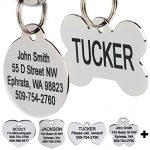
 Buying a pet ID tag for your Barbet is like purchasing insurance – you do so with the hopes that you won’t use it. The “possible price” of not having a pet ID tag is more expensive than the “real cost” of purchasing the pet tag itself.
The type of pet ID tag that you buy is important, so take five minutes or so to consider it. Whimsically choosing a collar tag just because it’s low cost or cute often proves to be foolish, long-term.
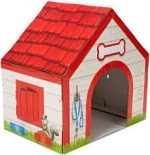 Over 50% of people permit their Barbets to live indoors and sleep on their sofa or in the bed. For those of you all who are wanting to know how to build a dog house for your Barbet, to follow are our easy rules to follow when determining what type of house you want to build for your Barbet.
  This post is about teaching the Barbet to jump for agility. We are often asked, “What number of jumps should I begin with?” You can’t ever have too many single jumps to learn agility. A good starting point is 4 jumps. This is the least number of jumps that we recommend.
 Training Barbets is not a hard task. Just have a little dedication, patience together with 5 simple techniques and you’ll break them in successfully.
 Sooner or later, you are going to hear: “Daddy, can we get that Barbet puppy?”
 Raising dogs, especially taking care of the barbet, is a specialty of people across the world. Experts believe that dogs were originally domesticated sometime between twelve thousand and 25,000 years ago—and that dogs evolved from wolves. Since then, people have selectively bred more than 400 different breeds, which vary in size from 4-pound teacup poodles to Irish wolfhounds, whose 3-foot stature has earned them the distinction of tallest canine. However, the most popular dogs are non-pedigree dogs—the one-of-a-kind dogs known as mixed-breeds. The barbet is another popular pick with dog owners. Many owners are oblivious, however, of some important barbet care tips.