
To teach your Kanni tricks, even easy ones, you need to get hold of some small treats, take him to a quiet suitable location and keep the instruction sessions to under fifteen minutes or the Kanni will begin to get tired. Take note that when he gets something correct offer him lots of appreciation and a reward treat, yet take care not to get him extra excited or he will lose focus.
Teach your Kanni to give you his paw
To get your Kanni to offer you his paw, first
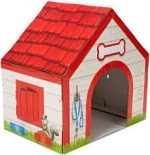 Greater than fifty percent of the population permit their Kannis to live indoors and sleep on their sofa or in the owner’s bed. For those of you all who are wondering how to build a dog house for your Kanni, below are our simple rules to follow when considering the type of house you want to build for your Kanni.
  This blog is concerning teaching the Kanni jumping for agility. We are often asked, “What number of jumps should I start with?” You can’t ever have too many solo jumps to practice agility. A good starting point is four jumps. This is the fewest quantity of jumps recommended.
 Sooner or later, most parents are going to be asked: “Mommy, may I get that Kanni puppy?”
 Training a Kanni is not a hard job. It just takes a little dedication, patience coupled with a few simple skills and you will break them in successfully.
 Raising dogs, in particular providing care for the kanni, is a specialty of humans. Experts theorize that dogs were domesticated sometime between 12,000 and twenty five thousand years ago—and that canines evolved from wolves. Since those days, humans have selectively bred more than four hundred breeds, which vary in size from four-pound teacup poodles to Irish wolfhounds, who have earned the distinction of tallest canine. But the most preferred dogs are non-pedigree dogs—the one-of-a-kind dogs known as mutts. The kanni is another popular pick with canine owners. Some owners are uninformed, however, of many critical kanni care tips.