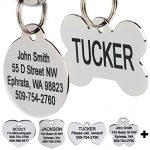
 Choosing a pet identification tag for your Grand Anglo-Francais Blanc Et Noir is like buying insurance – you do it with the faith that you’ll never need it. The “possible price” of not having a pet ID tag is more expensive than the “real price” of buying the pet tag itself.
The type of pet ID tag that you buy is vital, so take five minutes or so to consider it. Whimsically picking a collar tag just because it’s inexpensive or cute often proves to be unwise, long-term.
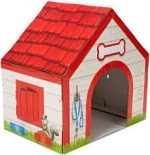 Over fifty percent of people allows their Grand Anglo-Francais Blanc Et Noirs to live inside and sleep on the sofa or in the bed. For those of you all who are wanting to know how to build a dog house for your Grand Anglo-Francais Blanc Et Noir, here are some simple rules to follow when deciding what type of house you want to build for your Grand Anglo-Francais Blanc Et Noir.
 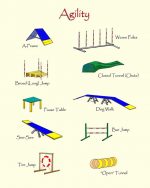 This post is concerning how to teach a Grand Anglo-Francais Blanc Et Noir jumping for agility. We are often asked, “How many jumps should I start with?” You can’t ever have too many solo jumps to practice agility. A good starting point is four jumps. This is the minimum number of jumps recommended.
 Raising dogs, in particular providing care for the grand anglo-francais blanc et noir, is old hat for people across the world. Experts have proven that dogs were originally domesticated between twelve thousand and twenty five thousand years ago—and that all dogs evolved from the wolf. Since then, people have selectively bred more than 400 breeds, varying in size from four-pound teacup poodles to Irish wolfhounds, whose three-ft stature earns them the distinction of tallest pooch. But the most widespread dogs are the non-pedigree dogs—the one-of-a-kind dogs known as mixed-breeds. The grand anglo-francais blanc et noir is also a popular pick with dog owners. Many owners are unaware, however, of many common grand anglo-francais blanc et noir care tips.
  Sooner or later, every parent is likely to be asked: “Please, may I get that Grand Anglo-Francais Blanc Et Noir puppy?”